



8 REASONS TO SWITCH TO THERMAL FLUID PROCESS HEATING
12/03/2024 Babcock Wanson UK Ltd
By Etienne Fourie, Technical Sales Manager, Babcock Wanson
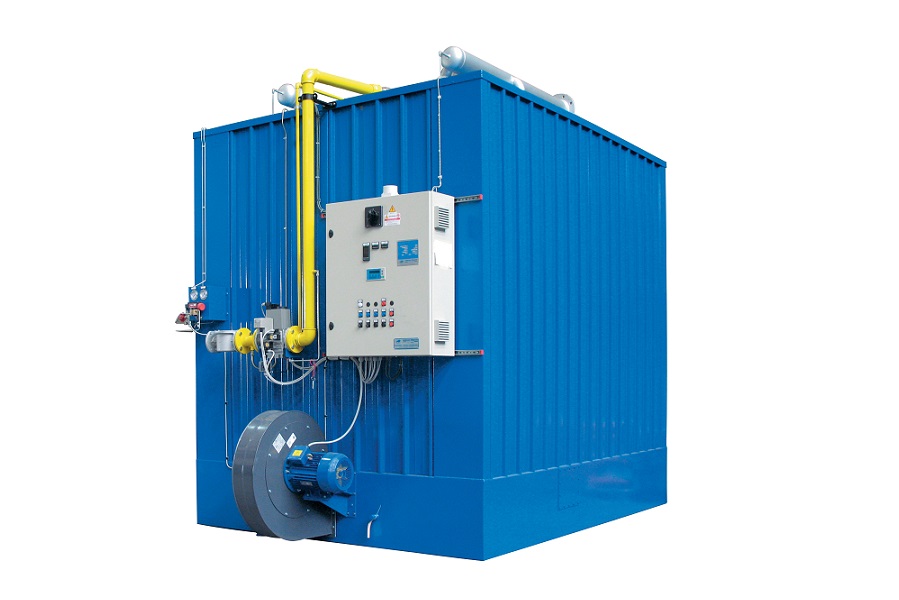
Thermal fluid systems have become increasingly popular where heat rather than actual steam is required. If you have yet to be swayed by thermal heating systems, here are eight good reasons you should reconsider:
Energy efficiency
Top of the list of benefits is energy efficiency, especially when fitted with an integral economiser which ensures very low fuel consumption even when operating at high fluid temperatures. With Babcock Wanson’s TPC1000B thermal fluid heating system, for example, between 20-50% energy savings can be made when compared to the transfer of the same amount of heat using traditional steam boilers. The system precisely matches fuel input to plant energy requirements for high efficiency. With lower energy input demand also comes lower total exhaust emissions, so there are also environmental benefits.
Cost effective
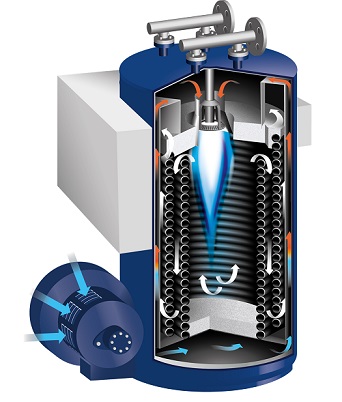
Thermal fluid system are able to work at high temperatures (up to 350°C in standard form) in a simple closed loop. When compared to a steam system this means no change of state of the fluid so no condensate and therefore no flash steam losses, no blow down losses or make up water required, no effluent discharge and completely corrosion free without the need for expensive chemical treatment. There’s also no requirement for specialist plant rooms and distribution pipe work. It all adds up to substantial savings.
Easy to use and maintain
When you bear in mind the above, and the fact that it is a closed loop system, you can immediately see how much easier a thermal fluid system is to operate daily, and to maintain. Furthermore, these systems operate outside the Pressure Systems Safety Regulations as the fluid is not maintained in the liquid phase by pressure, so statutory inspections are eliminated.
Safety
In a water system, pressure rises as a function of temperature: the higher the temperature, the greater the potential for problems within the system. Not so in a thermal fluid system as the fluid doesn’t have to be kept under pressure (other than the very small pressure of the circulating pump).
Space
Thermal fluid heating systems are compact and do not require space for all the additional equipment that is required for a steam boiler to operate. A thermal fluid heater needs no specialist site work meaning it can usually be sited in the most convenient location, often close to the user.
Equipment durability and longevity
A thermal fluid system should easily serve you 30 or more years without any reduction in productivity as it ages. A Babcock Wanson thermal fluid heater will usually run for more than 100,000 hours, although we are still servicing heaters that are more than 40 years old. This exceptional longevity is a direct result of their passive nature (there are very few moving parts) and the swapping out of water for a thermal fluid as the heat transfer medium, so they are unaffected by corrosion caused by water.
Temperature control
For many industrial processes, maintaining a constant temperature is vital to the quality of the product being produced. Whilst a steam generator can be operated to maintain a constant temperature, it’s much harder to do so. Maintaining a constant temperature is much easier to achieve in a thermal fluid system, especially if it has been fitted with temperature control software.
Versatility
Different fluids – typically mineral and synthetic based fluids – can be used to meet specific process heating requirements. Thermal fluids typically operate at up to 350°C at atmospheric pressure and can remain pumpable down to minus 20°C and lower with special fluids, which makes thermal fluid systems incredibly versatile. They are used in numerous different industries and applications, with the most common being pressing, curing and moulding; tanks, vessels and cookers; printing, coating, laminating and drying; and heating and cooling systems.
 Print this article
For more information, please contact:
Babcock Wanson UK Ltd
7 Elstree Way
Borehamwood
Hertfordshire
WD6 1SA
Tel: +44 (0)208 9537111
Email: info@babcock-wanson.co.uk
Web: https://www.babcock-wanson.co.uk
Share article:

Process and Control Today are not responsible for the content of submitted or externally produced articles and images. Click here to email us about any errors or omissions contained within this article.