



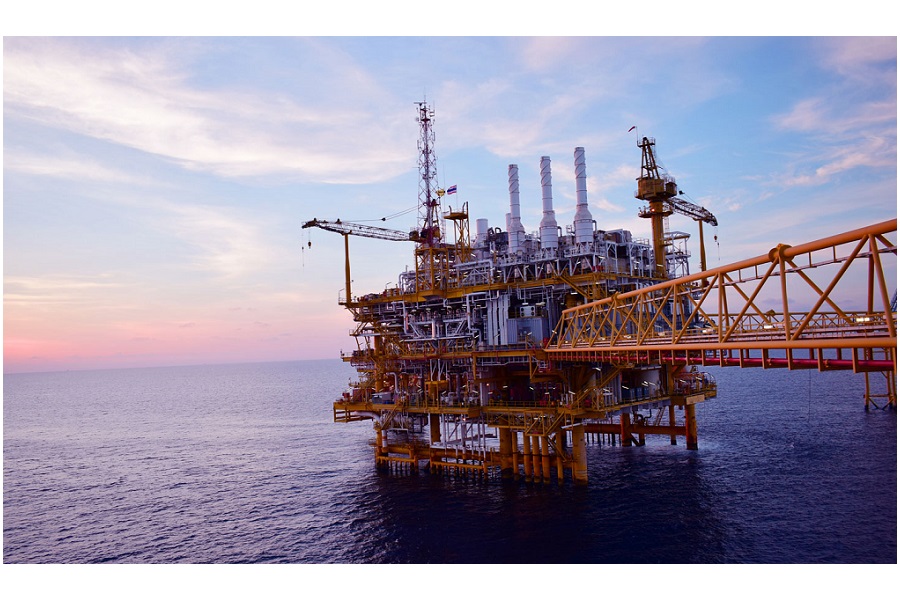
Cleanova Enables 50% Seawater Injection Increase on Gulf of Mexico Platform
08/04/2026 Cleanova
Cleanova, a global leader in advanced filtration solutions, has assisted a major Gulf of Mexico oil and gas operator increase seawater injection capacity by nearly 50% without interrupting offshore operations.
Using its proprietary high-capacity filters, Cleanova delivered this major performance increase without replacing the existing filtration system. This solution provides a scalable, low-disruption route to higher throughput - enabling operators to expand capacity while minimising downtime and avoiding major modifications.
The operator relies on seawater injection to maintain reservoir pressure and maximize oil recovery. As production requirements increased, the platform needed to boost injection flow significantly beyond the original design capacity. At the same time, the seawater presented increasingly difficult filtration conditions, including high levels of biofouling and suspended solids that can quickly compromise filtration efficiency and threaten operational reliability. Cleanova evaluated the existing installation to determine how to increase injection capacity with minimal disruption.
Addressing higher injection demands
The scale of the challenge became clear. The platform’s existing filtration system had been designed to remove solid contaminants down to 20 µm at a design flow rate of 75,000 BPD. However, as production expanded, required injection rates rose to 110,000 BPD - an increase of nearly 50% beyond the original design capacity. Meeting this step-change in performance would typically require significant system upgrades or replacement, both of which would be highly disruptive offshore.
Cleanova engineers assessed the operational constraints of the platform, including space limitations, maintenance schedules, and the need to maintain continuous injection during production. The objective was to increase filtration performance without making structural changes to the platform or disrupting ongoing operations.
Increasing capacity within the existing system
Cleanova recommended upgrading the existing elements to its CleanMax High-Flow Cartridge Filters, designed to handle higher solids loading and increased flow rates.
The upgrade allowed the operator to:
- Increase seawater injection capacity to meet new production targets
- Improve dirt holding capacity to better manage biofouling and suspended solids
- Maintain reliable, continuous offshore operation
- Avoid major modifications to the existing filtration housing
This approach is fully scalable, allowing operators to incrementally increase filtration capacity as production targets evolve without the cost, footprint, or disruption of full system replacement.
Ensuring reliable offshore filtration
For offshore operators, reliable filtration is essential. Poor filtration can damage injector systems, reduce reservoir efficiency, and lead to costly downtime. By upgrading the existing filtration elements, Cleanova helped the operator to increase seawater injection capacity while continuing to protect downstream equipment.
The Cleanova CleanMax filtration elements allow the platform to maintain high injection rates while continuing to manage the challenging seawater conditions typical of the Gulf of Mexico.
Jason Wettstaedt, Senior VP of Sales, Americas & Global Marketing, Cleanova, concludes: “This project shows that increasing seawater injection capacity offshore doesn’t always require a new filtration system. With the right filtration upgrade, clients can scale performance within existing infrastructure, avoiding costly downtime and extending the value of their assets.”
 Print this article
For more information, please contact:
Francine S. Bernitz
Cleanova
Tel: +1 781-789-3178
Email: francine.bernitz@micronicsinc.com
Web: https://www.cleanova.com

Process and Control Today are not responsible for the content of submitted or externally produced articles and images. Click here to email us about any errors or omissions contained within this article.