



Graphene sensors may help to detect Sepsis earlier in critically ill patients
08/06/2023 Integrated Graphene Ltd
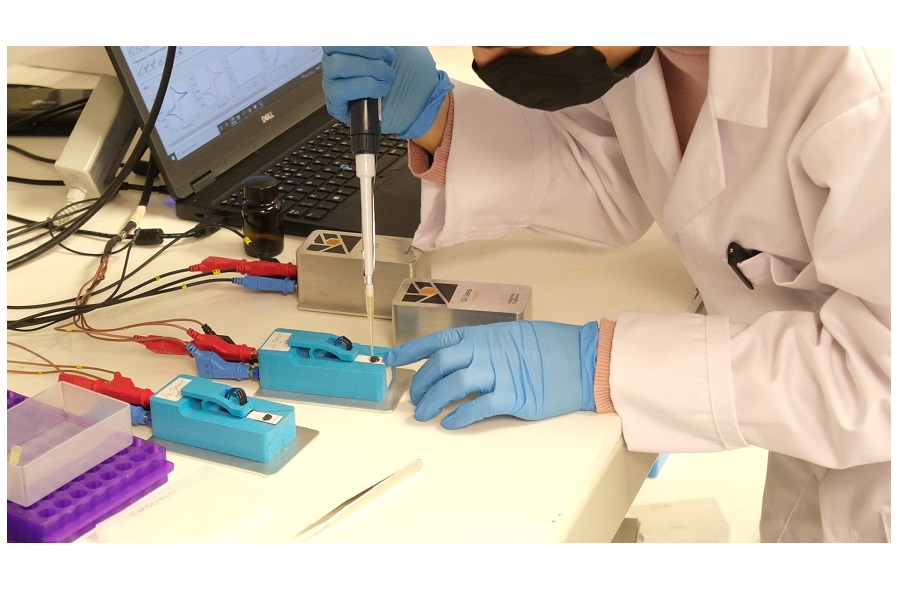
A new study from the University of Bath has shown that graphene-based biosensors, designed by Integrated Graphene, have the potential to play a major role in detecting increased levels of lactate, an important biomarker for the treatment of critically ill patients.
The research, published in Sensor and Actuators: B.Chemical1, shows that Integrated Graphene’s Gii-Sens™ electrochemical sensor can improve accuracy in the diagnosis of hyperlactatemia, a common complication in intensive care units.
Hyperlactatemia results from a lack of oxygen reaching tissues or as a result of an underlying condition, such as advanced liver disease. Untreated hyperlactatemia can lead to lactate acidosis, which causes severe illness and can be fatal. Reliable real-time lactate detection through single-point or continuous monitoring could help to improve the outcomes of patients in critical care and could hasten the diagnosis of sepsis in critically ill patients.
Based in Stirling, Integrated Graphene’s flagship product, Gii-Sens™ is a biosensing electrode for diagnostics which outperforms traditional sensing materials by 10-100 times, allowing for cost effective, lab precision testing within minutes at the point of need. Other applications of the technology include quality control in the food production industry, and wearable lactate sensors which can be used to monitor an athlete’s performance in real time.
Dr Marco Caffio, Integrated Graphene’s Co-Founder and CSO, said: “Lactate is a naturally occurring biomarker which everyone produces as a byproduct of exercising. For most people it is easily processed by the body and will cause no major harm, apart from a little cramp if you overexert yourself.
“However, for some critically ill patients and those with underlying conditions it can be a sign of a range of other issues, some of which, like sepsis, can be fatal. Having a robust way of monitoring lactate levels is important in ensuring the best possible outcomes for these patients. The findings of this study demonstrate Gii’s reliable performance and potential to save lives.”
 Print this article
For more information, please contact:
Integrated Graphene Ltd
Euro House
Stirling
FK8 2DJ
Scotland
Tel:
Email:
Web: www.integratedgraphene.com
Share article:
Process and Control Today are not responsible for the content of submitted or externally produced articles and images. Click here to email us about any errors or omissions contained within this article.