


Repair or replace? The carbon calculation is changing
18/11/2026 Association of Electrical & Mechanical Trades (AEMT)
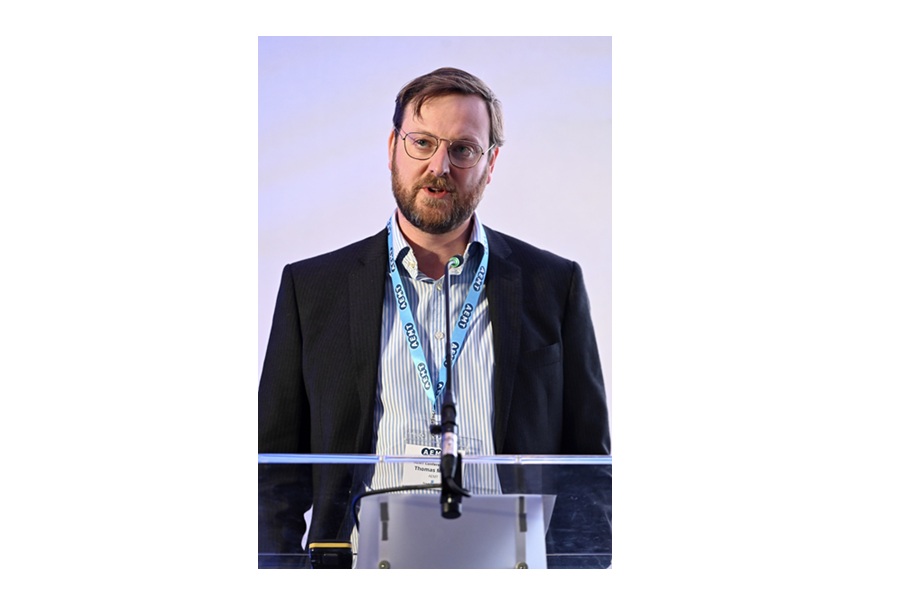
As the UK electricity grid becomes cleaner, the carbon savings associated with replacing older motors are changing. AEMT Director General, Thomas Marks, explains why the environmental case for repair deserves closer examination.
In 2014, every kilowatt-hour drawn from the UK grid carried around 419 grams of carbon dioxide. Last year it was 126 grams. Looking ahead, the Government's Clean Power 2030 plan aims to take it well below 50 grams by the end of the decade.
That fall changes the sums behind one of the most familiar pieces of advice in the electromechanical repair industry. When a motor fails, the standard line has been to replace it with a more efficient one. On a grid that ran largely on coal and gas, that made sense. Most of a motor's lifetime carbon came from the electricity it used, so every point of efficiency counted.
As the grid gets cleaner, each kilowatt-hour carries less carbon, and the running emissions of every motor fall with it. The carbon spent mining the copper and steel, building a new machine and shipping it here stays the same. Year by year, that fixed cost becomes a bigger share of the total.
So, the carbon saved by swapping a sound older motor for a newer one shrinks every year, and the case for keeping a good machine running, and repairing it properly when it fails, gets stronger.
As part of our work to improve understanding of the repair versus replace decision, we have commissioned Pragmatix Advisory to carry out an independent study of the value of repair versus replacement. Their team want to hear from equipment owners. So, if you have made a repair-or-replace decision recently and would be willing to talk it through with them, please get in touch with us via admin@theaemt.com.
Of course, the benefits of a repair are only realised if it's done well. A poor rewind costs efficiency, shortens the machine's life, and gives repair a bad name. This is why the AEMT Codes of Practice and Verification Scheme matter to anyone buying repair work. In June, we had 42 service facilities engaged with the scheme. As I write, well over 100 are engaged, and 97 are compliant. If your service provider carries the AEMT mark, you know their quality, expertise, integrity, sustainability and safety have been checked against an industry standard.
Many of those same service centres now do a good deal more than fix machines after they fail. Condition monitoring, vibration analysis, thermal imaging and alignment are now part of the offer at a growing number of AEMT members. By spotting a bearing on its way out, or a hotter-than-usual stator, you can plan the repair before it becomes a breakdown. If you only speak with your repairer when something has stopped, ask them what else they can do.
Next year, we want more people who own and run this equipment to join the AEMT. Allied membership gives equipment owners a direct line into a network of repair specialists, at a time when repair is starting to win out over replacement. It also brings discounts on AEMT training.
That training is growing. We have introduced Ex awareness courses for equipment owners, covering what a good repair of equipment for explosive atmospheres looks like and what to ask of your repairer. They have been well received, and we are building further awareness courses on the same model. We also have a pilot course in condition monitoring and reliability in development.
The order of operations for anyone running electromechanical equipment starts with acquiring durable, efficient machines, then maintaining and monitoring them properly, repairing them when they fail and recycling the materials only once a repair isn't feasible.
That order still stands. What has shifted is the weight on each step. On a grid this much cleaner than it was ten years ago, the repair step counts for more, and by 2030 it will count for more again.
 Print this article
For more information, please contact:
Association of Electrical & Mechanical Trades (AEMT)
Suite 2G
Tower House Business Centre
Fishergate
York
YO10 4UA
Tel: +44 (0)1904 674 899
Email: admin@aemt.co.uk
Web: www.theaemt.com
Share article:
Process and Control Today are not responsible for the content of submitted or externally produced articles and images. Click here to email us about any errors or omissions contained within this article.