


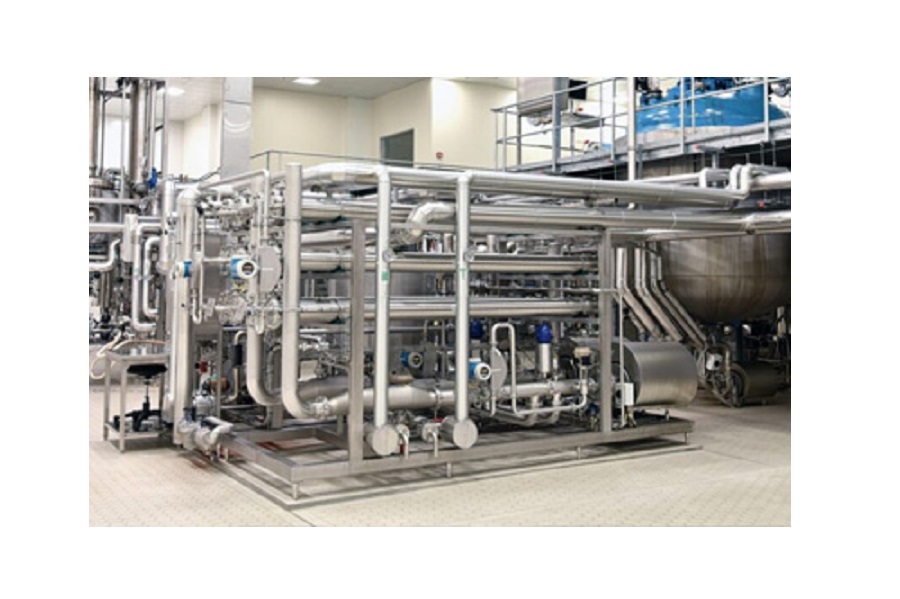
The integration of 2D and 3D design data is changing modern plant design
30/01/2026 CAD Schroer UK Ltd
How the combination of 2D and 3D design data sets new standards in process engineering and optimises design processes.
Integrating 2D and 3D design data is a decisive step in optimising process engineering systems. Modern software solutions offer decisive advantages here.
Integration of 2D and 3D design in process engineering
Process engineering has developed steadily, but integrating 2D and 3D design data marks a significant turning point. In modern plants, this integration enables fully integrated design. However, realising this data integration is a challenge that can only be overcome using advanced software solutions. Such solutions make a decisive contribution to the quality and efficiency of design and make it possible to identify potential problems at an early stage and optimise the design accordingly.
Advantages of 3D design in process plants
3D design is already an integral part of process engineering. 3D models enable a realistic representation of the system and facilitate the visualisation of complex structures and processes. This is particularly important for identifying and eliminating possible collisions, missing free spaces and inconsistencies at an early stage. 3D design also improves communication between the various design teams and the client, as everyone involved receives a clear picture of the designed plant.
Challenges in the integration of 2D and 3D data
Despite the obvious advantages, integrating 2D and 3D design data is associated with a number of challenges. One of the biggest hurdles is ensuring consistency between the two data formats. For example, data from the piping and instrumentation diagrams must find its way seamlessly into the 3D world. It must also be possible to integrate other existing 2D plans, such as layouts, terrain or building plans, into the design. Different teams often work with different software tools, leading to inconsistencies and data loss. The solution is to use software that enables seamless integration while ensuring the quality and consistency of the data.
Efficient design through integrated software solutions
In plant engineering, M4 PLANT addresses the entire project design process. As database-based plant engineering software, it offers an end-to-end solution for all phases of plant engineering and provides the basis for the integrated design of complete projects. Plants of any size and complexity can be precisely designed using this integrated software solution. Extensive libraries of catalogue components, as well as automatic collision and consistency checks, ensure consistent and error-free design. The software also supports the exchange of design data in various formats, facilitating collaboration between different teams and locations.
Summary: The integration of 2D and 3D design data optimises design processes in process engineering and thus increases the efficiency and quality of plant design. Modern software solutions play a decisive role in this
 Print this article
For more information, please contact:
CAD Schroer UK Ltd
39 Newnham Road
Cambridge
CB3 9EY
Tel: +44 1223 460 408
Email: info@cad-schroer.com
Web: https://www.cad-schroer.com
Share article:

Process and Control Today are not responsible for the content of submitted or externally produced articles and images. Click here to email us about any errors or omissions contained within this article.