


Zero Liquid Discharge Systems Crucial to Reducing UK Wastewater
23/06/2023 Alfa Laval Ltd
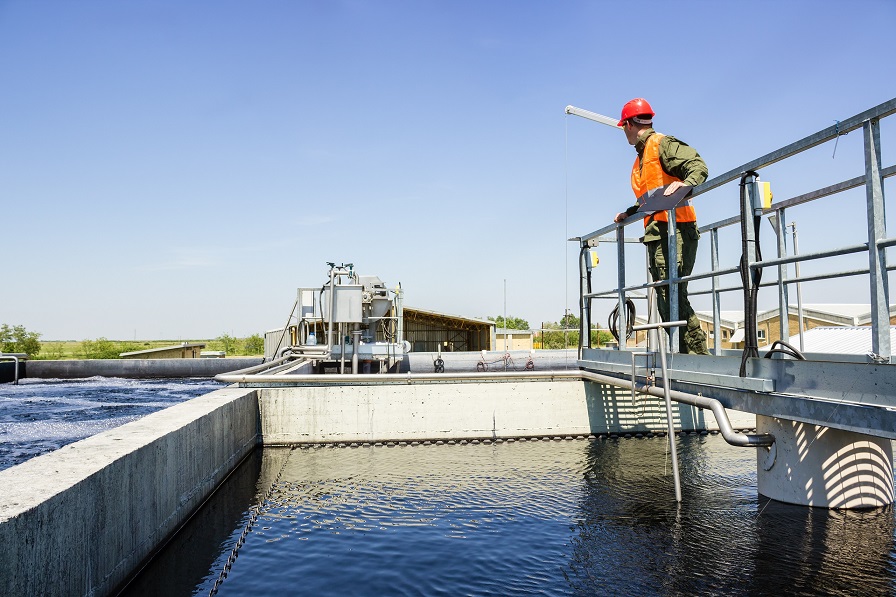
Following the Ofwat announcement that English water companies will invest over £1.6bn to clean up the country’s waterways, an industry expert is highlighting the role industry can play in further improving river quality.
The regulator brought the plans forward to combat country-wide pollution and drought risks, focusing on making waterways cleaner and improving recoverability in the droughts caused by climate change[1]. With this in mind, Ian Forrester, Business Unit Manager at Alfa Laval, is imploring industry to follow the public sector’s lead in waste minimisation, water recovery and improving the circular economy.
Specifically, Ian is highlighting the role zero liquid discharge (ZLD) systems can have in both improving business sustainability and competitiveness. He is calling for organisations to integrate the technology into their existing processes to increase resilience in unpredictable times.
“This recent announcement from Ofwat is very welcome and demonstrates how all organisations should be taking immediate action to reduce wastewater and ensure maximum recoverability,” explains Ian. “In a business landscape where water will become increasingly scarce, being able to control sources and disposal could be vital to making businesses more robust and less vulnerable to outside change and disruption.
“As most industrial processes will use freshwater at some point, wastewater is an expected by-product. The focus on keeping waterways clean therefore means businesses must explore options around how it could be reused as clean water or through recovering salt and other chemicals for use elsewhere in the business. This is where ZLD systems, with their focus on minimising liquid waste, have a key part to play.”
Depending on the technology used, a ZLD system concentrates wastewater via plate heat exchangers to recover saturated and precipitate solids, creating a dry solid.
The topic of zero liquid discharge is set to be a key talking point in Alfa Laval’s upcoming NetZero Live webinar on 15 June, with registrations now open.
Ian concluded: “Wastewater chlorides can have a devastatingly damaging effect on many materials, so it is crucial that process equipment specifiers specify the correct materials for their evaporator’s plate-and-frame heat exchangers,” concludes Ian. “For instance, titanium, which is used in solutions such as the AlfaFlash plate flash evaporator, is 10-to-20-times greater than alternative stainless alloys, allowing organisations to reap the benefits of ZLD systems without disruptive downtime risks.
“Similarly, with fouling presenting a significant risk to evaporator performance, systems capable of creating high turbulence and shear stress should be prioritised. By doing so, solid accumulation on heat exchanger surfaces can be minimised, extending the run-time between cleaning cycles and reducing the risk of blockages. With the polluting effect of wastewater under increasing scrutiny, being aware of such considerations and technologies will help affected businesses not only navigate tightening sustainability regulations, but flourish.”
To register for Alfa Laval’s upcoming webinar, click here.
For more information on evaporation systems from Alfa Laval, click here.
 Print this article
For more information, please contact:
Marianne Hojby
Alfa Laval Ltd
7 Doman Rd
Camberley
Surrey
GU15 3DN
Tel: 0045 28 954471
Email: marianne.hojby@alfalaval.com
Web: https://www.alfalaval.com
Share article:
Process and Control Today are not responsible for the content of submitted or externally produced articles and images. Click here to email us about any errors or omissions contained within this article.